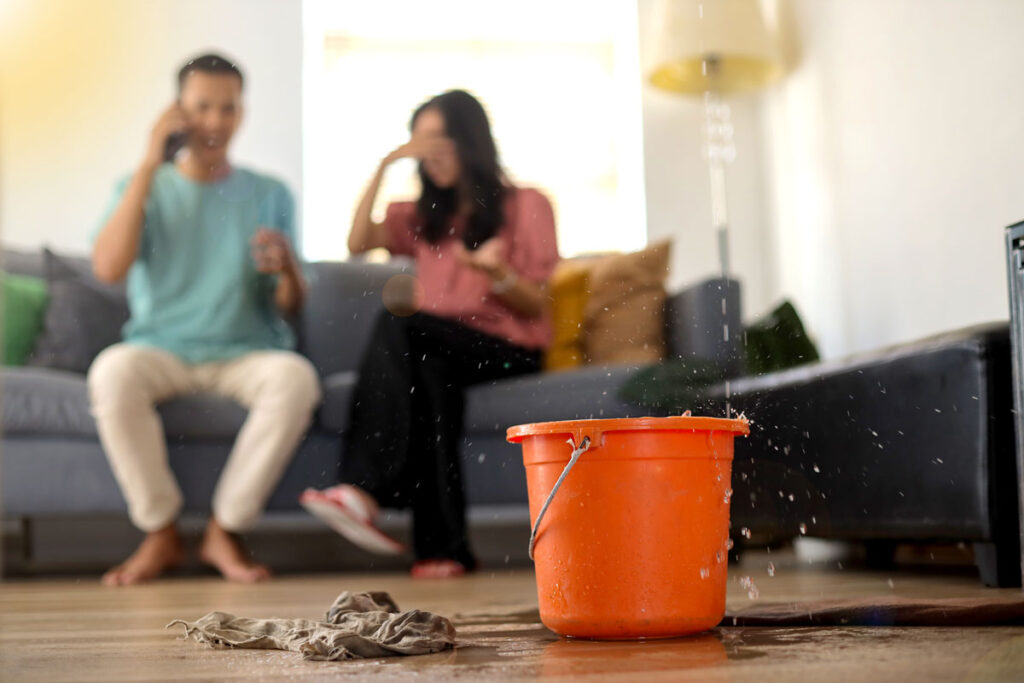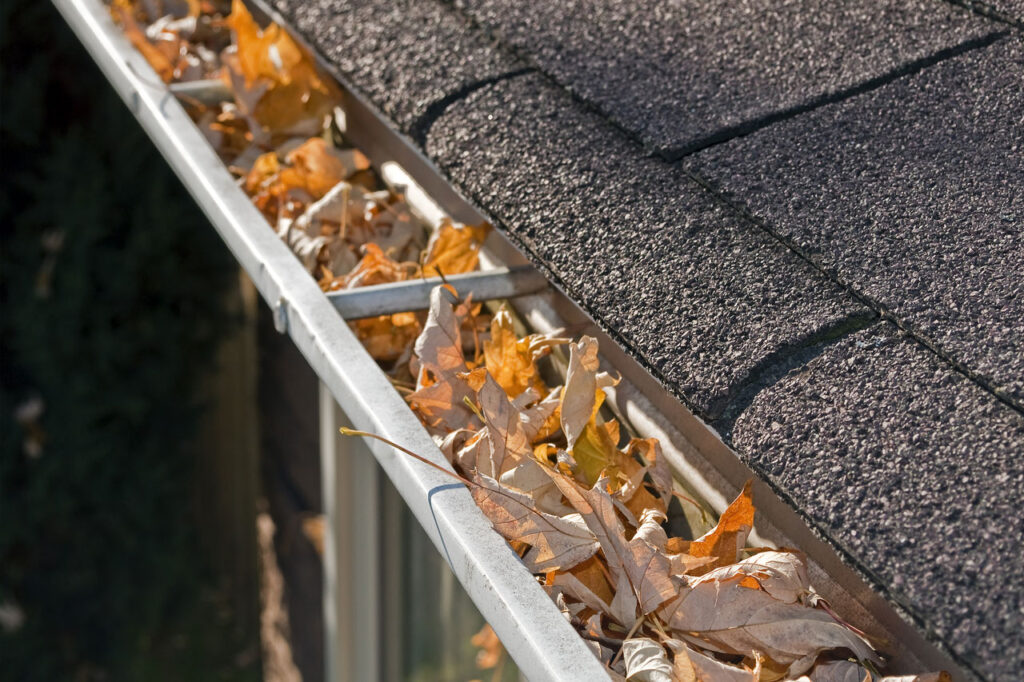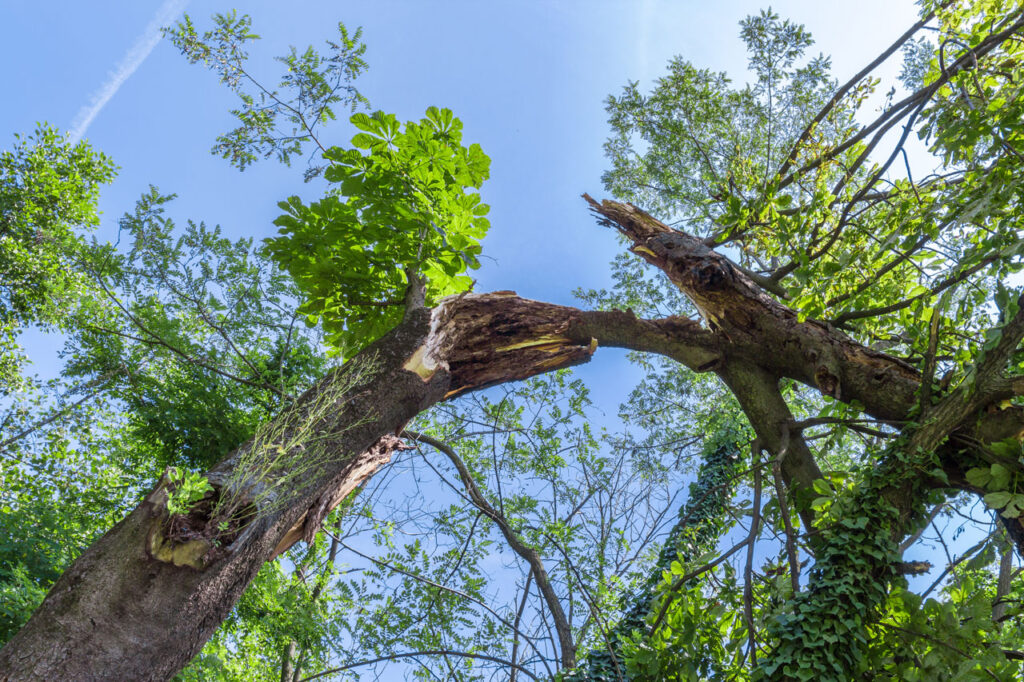
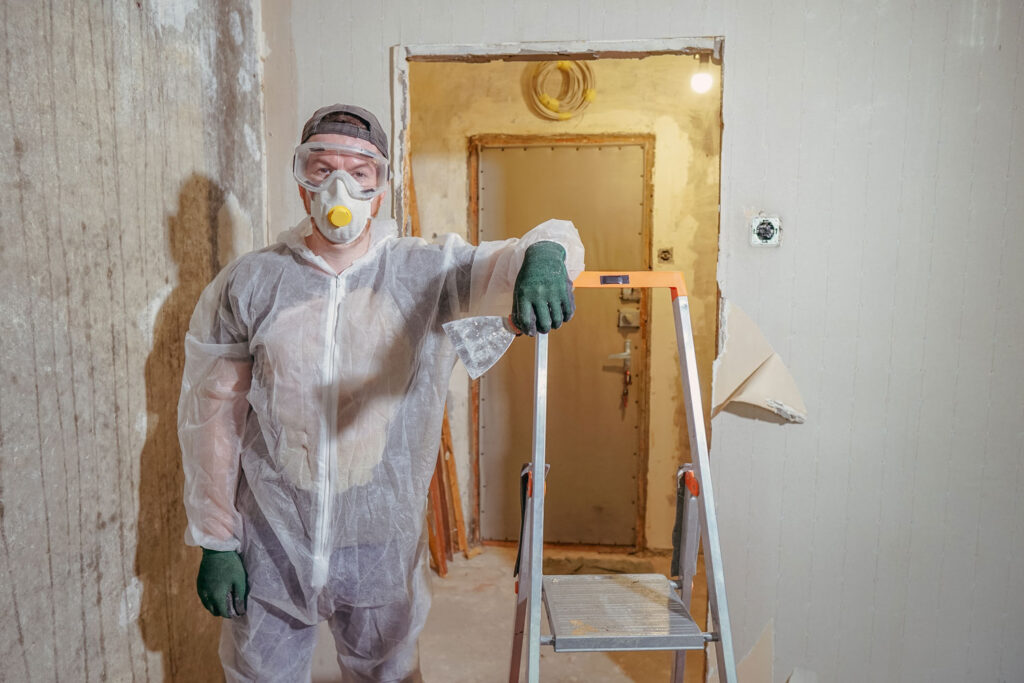
Mold isn’t just an eyesore—it’s a silent intruder that can impact your home, your health, and your peace of mind. Whether it’s the result of a recent water leak or long-term humidity issues, mold can spread quickly and become a serious problem if not handled properly.
At Restoration King, we’ve seen firsthand how fast a small issue can escalate. The good news? With the right approach, mold can be safely and effectively removed—and prevented from coming back.
What Is Mold (and Why Should You Care)?
Mold is a type of fungus that thrives in damp, humid environments. It reproduces by releasing tiny spores into the air, which can settle and grow wherever moisture is present.
Common places mold shows up:
- Behind walls after a leak
- Under sinks or around plumbing
- In basements and crawl spaces
- Around windows and HVAC systems
Signs You May Have a Mold Problem
- A persistent musty odor
- Discoloration or dark spots on walls or ceilings
- Peeling paint or warped materials
- Increased allergy symptoms (sneezing, coughing, itchy eyes)
Why DIY Mold Removal Can Backfire
Mold can grow deep within porous materials like drywall and wood. Disturbing mold without proper containment can spread spores, and incomplete removal means it will likely return.
The Mold Remediation Process
- Inspection & Assessment – Identify mold and moisture source
- Containment – Prevent spread
- Air Filtration – Improve air quality
- Mold Removal – Remove or treat materials
- Cleaning & Sanitizing – Eliminate mold and odors
- Restoration – Repair and restore space
Preventing Mold in the Future
- Fix leaks immediately
- Use dehumidifiers
- Ensure proper ventilation
- Schedule inspections if needed
Don’t Wait—Act Early
Mold problems don’t get better with time—they grow. The sooner you address the issue, the easier it is to resolve.
For an accurate assessment, consider contacting a certified environmental specialist to perform a professional inspection and provide guidance on next steps